
TIG Welding Machines
Our range of TIG welders covers AC/DC and DC-only models in single-phase (230V) and three-phase (400V/415V), from portable inverters for site work to water-cooled industrial packages. Includes ESAB, Jasic, Kemppi, Parweld and Weld Star, suited to stainless steel, aluminium, mild steel, titanium and other non-ferrous metals.
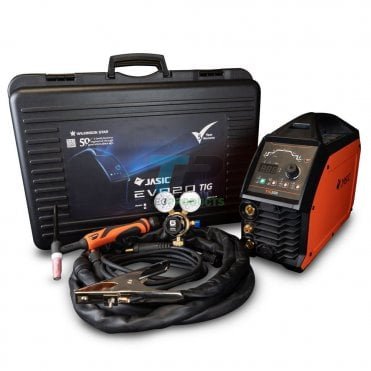
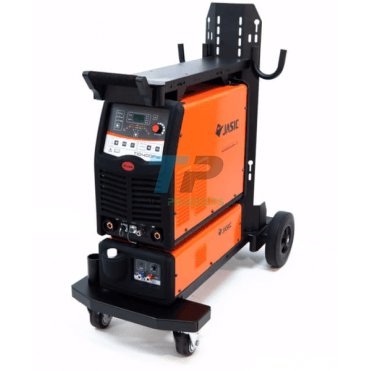
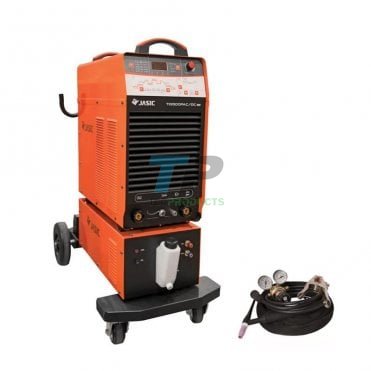
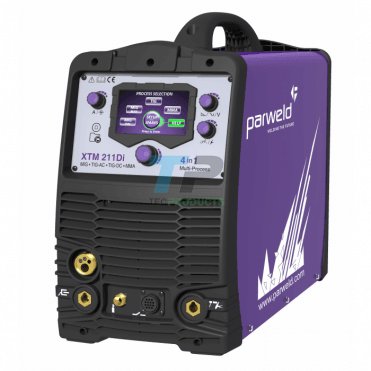
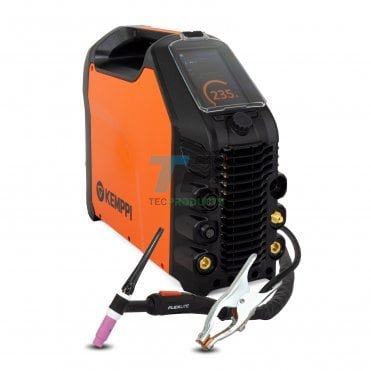
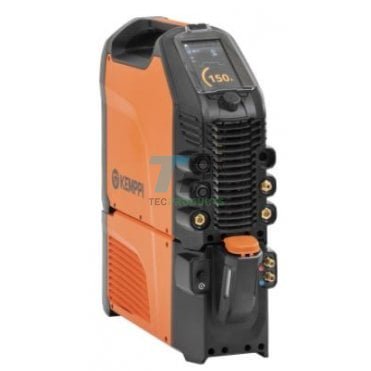
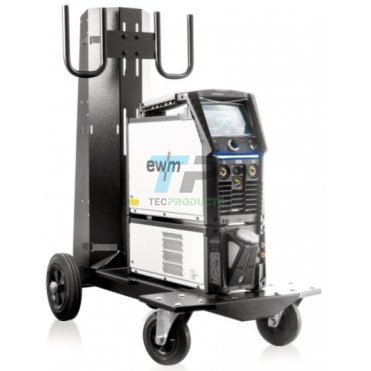
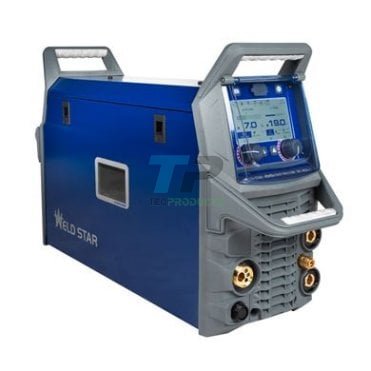
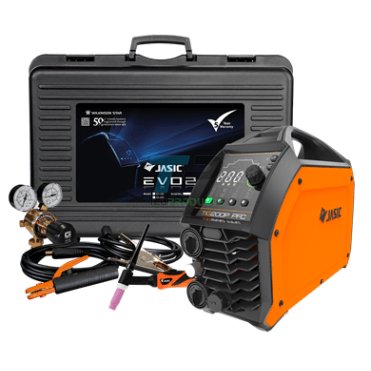
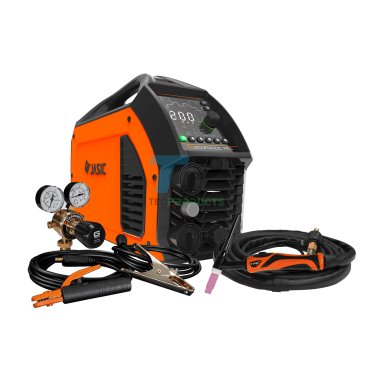
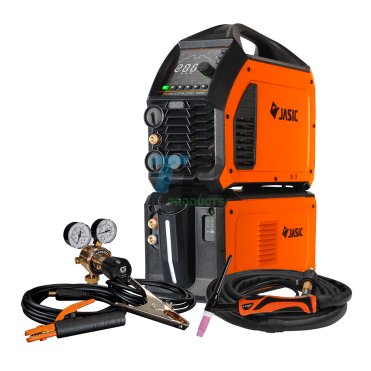
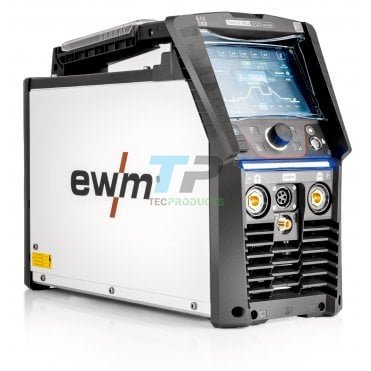
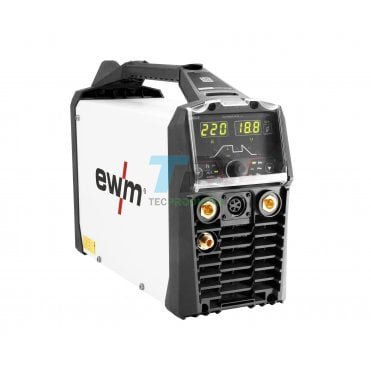
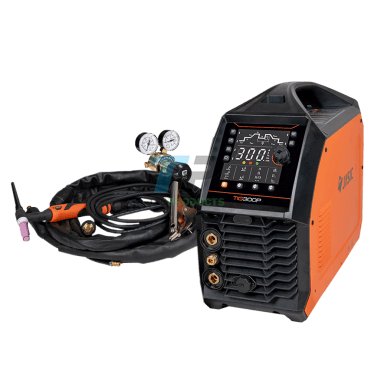
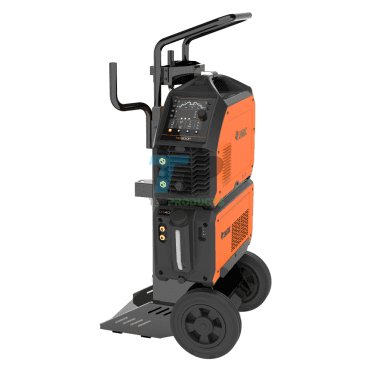
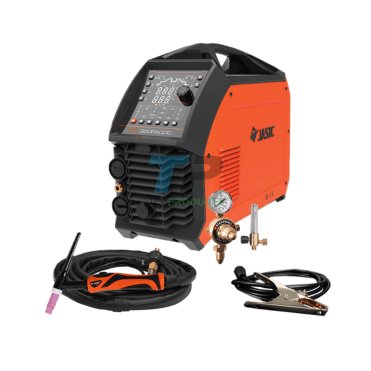
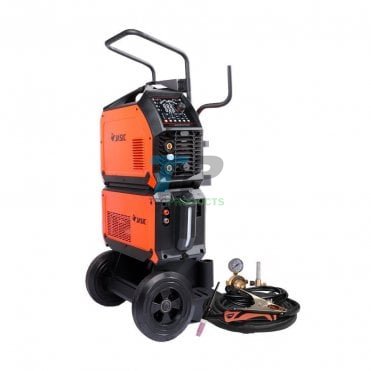
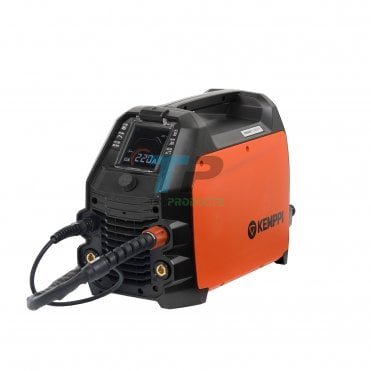
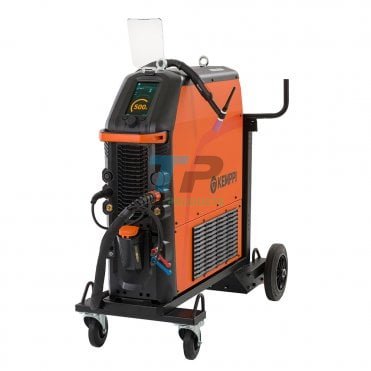
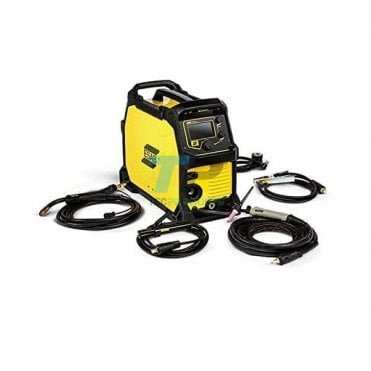
Our TIG welders sit within our full TIG welding machines and accessories range, covering machines, torches, consumables and setup gear for every kind of TIG work.
AC/DC or DC-only: Which Do You Need?
The other key decision after voltage and phase is whether you need an AC/DC or a DC-only TIG welder. This one comes down to the metals you're working with.
DC-only TIG welders are the cheaper option and handle steel, stainless steel, copper, titanium and most non-ferrous metals well. If you're not welding aluminium or magnesium, a DC-only machine is often all you need, and the money saved can go into a better torch, cooler or accessories.
AC/DC TIG welders add alternating current capability, which is essential for welding aluminium and magnesium. The AC cycle breaks up the oxide layer that forms on aluminium and allows a clean, stable arc. If aluminium is part of your regular work, an AC/DC machine is not optional. If it's an occasional job, it's worth deciding whether to buy AC/DC now or send that work out.
Modern AC/DC machines from brands like Kemppi and Jasic also include pulse TIG functionality, which improves control on thinner materials, reduces heat input, and helps produce higher quality welds on stainless steel and aluminium.
Frequently Asked Questions
What is the difference between an AC/DC and a DC-only TIG welder?
The difference is the type of current the machine produces and, in practical terms, what metals you can weld. A DC-only TIG welder produces direct current, which is fine for steel, stainless steel, copper, titanium and most non-ferrous metals. An AC/DC TIG welder produces both direct and alternating current, which is essential for welding aluminium and magnesium: the AC cycle breaks up the oxide layer that forms on aluminium and allows a stable arc. If aluminium is part of your regular work, you need AC/DC. If it isn't, DC-only will save you money.
Do I need a single-phase or three-phase TIG welder?
That depends on your power supply and your amperage requirements. Single-phase (230V) TIG welders run off a standard workshop or domestic supply and typically top out around 200 to 250 amps. That covers most workshop, maintenance and general fabrication work. Three-phase (400V or 415V) machines can deliver higher amperages, offer higher duty cycles and are built for production and heavier industrial fabrication. If you don't have three-phase in your workshop, a single-phase machine is your only option. If you do have three-phase and you're welding thicker material or running the machine for long periods, it gives you more capability.
Which TIG welder is best for aluminium?
You need an AC/DC TIG welder for aluminium. The AC (alternating current) part is essential: it breaks up the aluminium oxide layer that forms on the surface, allowing a clean, stable arc and a proper weld. A DC-only machine won't weld aluminium properly regardless of amperage or technique. Beyond that, look for pulse TIG functionality (better control on thinner aluminium), high-frequency arc start (prevents tungsten contamination), and adequate amperage for the material thickness you're welding. Water-cooled torches are worth considering for longer runs on aluminium, since it reflects heat back into the torch faster than steel.
What amperage TIG welder do I need for my material thickness?
A common rule of thumb is 40 amps per millimetre of steel thickness. So welding 3mm mild steel needs around 120 amps, and 6mm needs around 240 amps. Aluminium usually needs more current than steel of the same thickness because it conducts heat away faster. Stainless steel needs slightly less. This is a starting point rather than a fixed rule, since joint type, position, filler material and technique all affect the actual settings you'll use. When picking a machine, aim for peak amperage above what you calculate for your thickest regular material, and check the duty cycle at that amperage to make sure the machine can sustain it.
Should I be looking at TIG or MIG for my work?
TIG suits precision work, clean finishes, thinner material and jobs where appearance matters: stainless steel, aluminium, architectural work and detail fabrication. MIG welding is faster, more forgiving on thicker steel, and better suited to general fabrication, structural work and production runs. If speed matters more than finish, or you're working with heavier material, MIG is often the better process. Many workshops end up with both.