
Wire Wheels & Brushes
Wire wheels and brushes for angle grinders, drills and handheld use, built for rust removal, paint stripping, weld cleaning and surface preparation. Choose from twist knot, crimped and cup styles in steel, stainless steel and brass wire, sized to fit standard M14 angle grinders and other power tools. Not sure which spec you need? Our team can give you technical advice before you order.

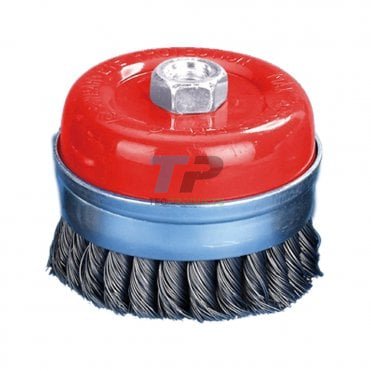

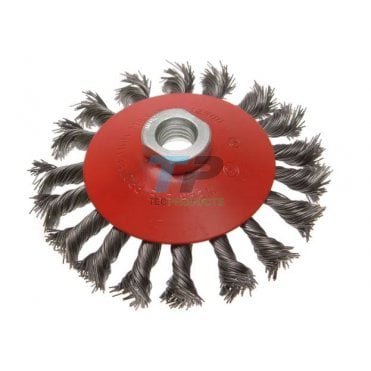
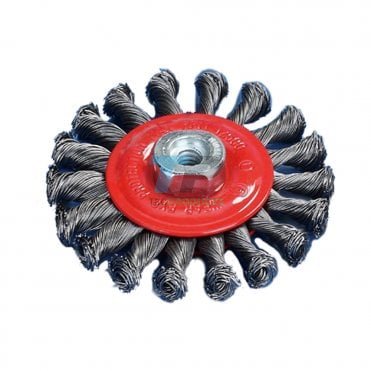
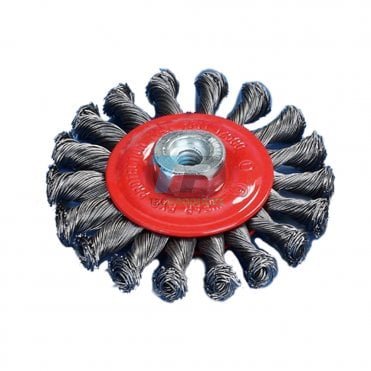
Wire Wheels and Brushes
At TEC Products Ltd, we supply a full range of wire wheels and brushes as part of our wider abrasives and finishing products collection, built for surface preparation, rust and paint removal, weld cleaning and deburring. Whether you're prepping steel for welding, stripping paint from a chassis, or cleaning up weld seams before finishing, the right brush makes the job faster and the finish cleaner.
Choosing the Right Wire Wheel or Brush
Wire wheels and brushes fall into three main styles, and the right one depends on the job.
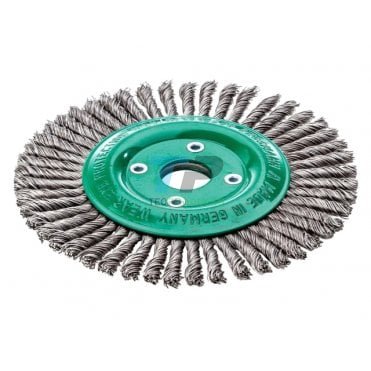
- Twist knot wheels and cup brushes have the wire twisted into tight bundles. They hit the surface hard, resist wear, and are the go-to for heavy duty applications like removing thick rust, mill scale and stubborn paint. Use them where aggression matters more than finish.
- Crimped wire wheels use straight wires with a wave pattern, giving a softer, more flexible action. They suit lighter cleaning, polishing, and jobs where you don't want to gouge the surface. Ideal for surface preparation before painting or on softer metals.
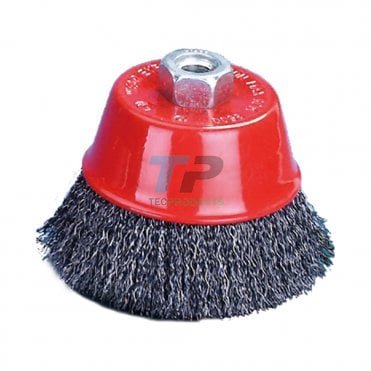
- Cup brushes sit at right angles to the tool, making them well suited to flat surfaces, corners and reaching into tight spots that a flat wheel can't. Available in both twist knot and crimped patterns to match the aggression level you need.
Then choose the wire material. Steel wire (carbon steel) is the standard for general use on mild steel and heavy cleaning. Stainless steel wire resists rust and prevents cross-contamination on non-ferrous metals and stainless workpieces. Brass wire is softer and non-sparking, suitable for delicate surfaces and jobs where you can't risk marking the finish.
Finally, match the brush to your tool. Most wheels and cup brushes in our range use the standard M14 thread for angle grinders. Smaller wheels and cup brushes are available with shanks for power drills and die grinders, and handheld wire scratch brushes cover detail work where a powered tool isn't needed.
Key Features
- Multiple wire types: Steel, stainless steel and brass wire options for different materials and finish requirements
- Twist knot and crimped patterns: Match the aggression level to the job
- Broad tool compatibility: M14 fittings for angle grinders, shanks for power drills and die grinders, plus handheld brushes for detail work
- A range of sizes and configurations: Cup brushes, flat wheels, conical wheels and handheld scratch brushes
- Built for repeat use: Constructed for heavy duty applications with consistent performance across the wheel's life
Applications
- Rust and mill scale removal
- Paint and coating stripping
- Weld cleaning and slag removal
- Surface preparation before welding or painting
- Deburring and edge cleaning
- Detail work in corners and tight spaces
- Cleaning stainless steel and non-ferrous metals without cross-contamination
We Also Offer
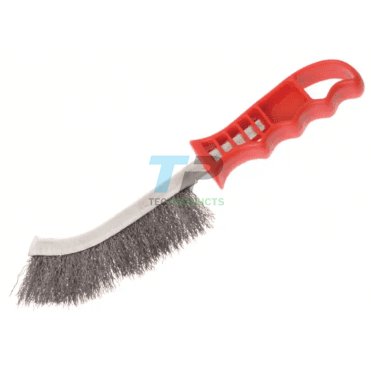
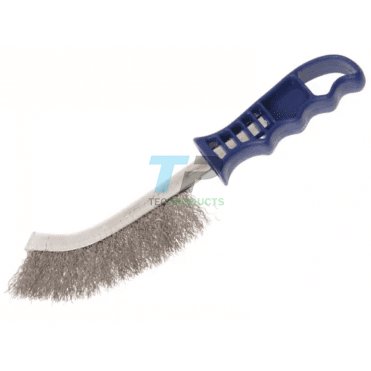
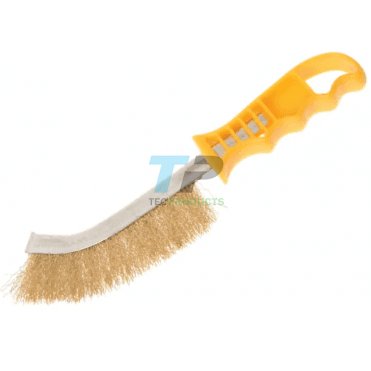
- Handheld wire scratch brushes with wooden or moulded handles, in steel, stainless and brass wire, for detail work and localised cleaning
- Pipeline brushes built for cleaning and preparing pipe surfaces
- Grinding discs for heavier stock removal where a wire wheel isn't aggressive enough
- Flap discs for blending and finishing after wire brush prep
- Bulk packs for workshop and trade users
Frequently Asked Questions
What is the difference between a twist knot and a crimped wire wheel?
The difference is in how the wire is arranged and how aggressively it cuts. A twist knot wheel has the wire twisted into tight bundles, giving a high impact action that removes tough rust, mill scale and heavy paint quickly. A crimped wire wheel uses straight wires with a wave pattern, which flexes more and gives a softer, gentler cleaning action suited to lighter rust removal, polishing and surface preparation on softer metals. As a rule of thumb: use twist knot for heavy duty jobs and crimped for lighter cleaning where you don't want to mark the surface.
Can I use a wire wheel on a drill?
Yes, but only wheels specifically built with a shank for drill use. Standard M14-threaded wheels are designed for angle grinders and will not fit a drill chuck safely. Drill-compatible wire wheels and cup brushes are typically smaller and run at lower RPMs than grinder-mounted versions, which suits lighter cleaning, rust removal on smaller parts, and reaching into tight spaces. Always check the wheel's maximum rated speed against your drill's output before use, and never exceed it.
Should I use a steel or stainless steel wire wheel?
Use a standard steel (carbon steel) wire wheel for general cleaning on mild steel, heavy rust removal, and jobs where the cost per wheel matters. Use a stainless steel wire wheel when working on stainless steel, aluminium or other non-ferrous metals, or where the workpiece will be exposed to moisture afterwards. Steel wire can leave particles behind that cause rust staining on stainless surfaces (known as iron pickup), so a stainless brush is essential where surface integrity matters.