
The Ultimate Beginner’s Welding Toolkit Checklist
Welcome to the exciting world of welding! Whether you’re embarking on a new hobby or gearing up for a professional journey in welding, getting started can be both exhilarating and overwhelming. To help you set off on the right foot, we’ve compiled an essential welding toolkit checklist of products every beginner welder needs. Let’s dive in!

1. Welding Helmet: Crucial Safety Gear
A welding helmet is a must-have for any welder, protecting your eyes and face from the extreme brightness of the arc as well as allowing you to see the weld easily. There are three main types of welding helmets: auto-darkening, air-fed, and passive fixed shade welding helmets.
Auto Darkening Welding Helmets: these are ideal for beginners as the helmet adjusts its lens automatically to protect your eyes from intense light, ensuring both safety and convenience. See our full range of auto-darkening welding helmets.
Air-Fed Welding Helmets: they provide the ultimate protection for any welder. They protect your eyes from the light and protect you against welding fumes by cleaning the air before you breathe it in. See our full range of air-fed welding helmets.
Passive Fixed Shade Welding Helmets: These welding helmets offer a budget-friendly solution to your welding needs. They require no power source and therefore will guarantee always to protect you and keep you safe. See our full range of passive fixed shade welding helmets.
2. Welding Gloves: Essential Hand Protection
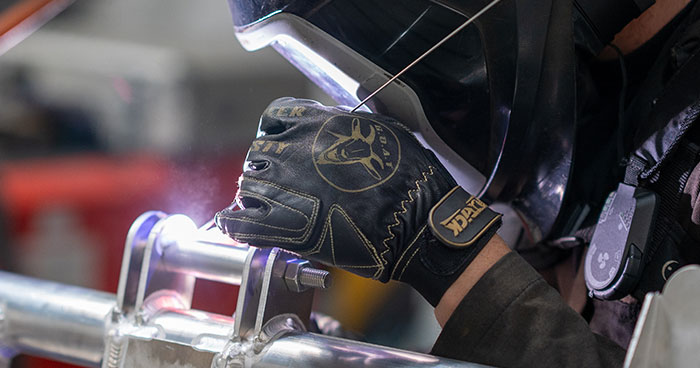
High-quality welding gloves are crucial. Choose gloves that are heat resistant, durable, and provide dexterity. Leather gloves are a popular choice as they offer a good balance between protection and flexibility. Gloves should fit well to ensure you can handle welding tools accurately. There are two main types of welding gloves: MIG and TIG welding gloves.
MIG Welding Gloves: Ideally, MIG gloves should be made of cowhide leather to protect you from the heat and sparks of MIG welding. MIG welding gloves should be heavy-duty and made of thicker materials. See our full range of MIG Welding Gloves.
TIG Welding Gloves: Well, still needing to protect you from the heat, TIG welding gloves need to provide the wearer with excellent dexterity and touch sensitivity. TIG welding gloves are generally thinner and conform to the feel of the hand over MIG welding gloves. See our full range of TIG welding gloves.

3. Welding Jacket: Essential Body Safety
A good welding jacket shields you from sparks, spatter, and heat. Choose jackets made from flame-resistant materials like leather or treated cotton. Jackets with a high collar and long sleeves offer maximum protection. Look for ones that are breathable to maintain comfort during long welding sessions.
See our full range of welding jackets and protective clothing to help keep you covered, protecting you and your clothes from weld spatter and heat.

4. Welding Machine: Choosing the Right One
When starting out in welding, it’s important to choose a machine that fits the type of projects you’ll be tackling and matches your skill level. MIG welding offers simplicity and versatility, TIG welding is perfect for precision and control, and MMA welding provides robustness and flexibility. Each has its advantages and learning curve, so consider your welding goals and practice needs when choosing.
MIG Welders: For beginners, MIG (Metal Inert Gas) welders are often recommended for their ease of use. These versatile welders allow you to work on various metals and thicknesses, including mild steel, stainless steel, and aluminium. When choosing a MIG welder, look for beginner-friendly models with simple controls and clear instructions. They are great for quick repairs, hobby projects, and general fabrication. See our full range of MIG welding machines.
TIG Welders: TIG (Tungsten Inert Gas) welding is another excellent method, especially if you aim for high-quality, precise welds on thinner materials. TIG welding gives you more control over the welding process than MIG and is ideal for welding a wider range of metals, including steel, stainless steel, aluminium, and even exotic metals like titanium. However, TIG welding has a steeper learning curve, and it requires more skill and practice. Beginners interested in TIG welding should look for machines that offer easy-to-use interfaces and possibly some automated features to help with the learning process. See our full range of TIG welding machines.
MMA Welding Machines: MMA (Manual Metal Arc) welding, also known as stick welding, is a process that uses a consumable electrode coated in flux to lay the weld. This type of welding machine is robust and ideal for outdoor work, as it is less sensitive to wind and can handle rusty or dirty materials. MMA welding machines are a good choice for beginners working on various projects, especially those involving thicker materials or outdoor repairs. While MMA welding is more forgiving than TIG, perfecting your technique still requires some practice. See our full range of MMA welding machines.

5. Welding Wire and Electrodes: The Welding Material
The type of welding wire or electrodes you need will depend on your project and the material you’re working with. For beginners, it’s best to start with a multi-purpose wire or electrode that can be used across a range of applications. As your skills develop, you can explore more specialized options. See our full range of welding wires and electrodes.
6. Safety Glasses: An Additional Layer of Eye Protection
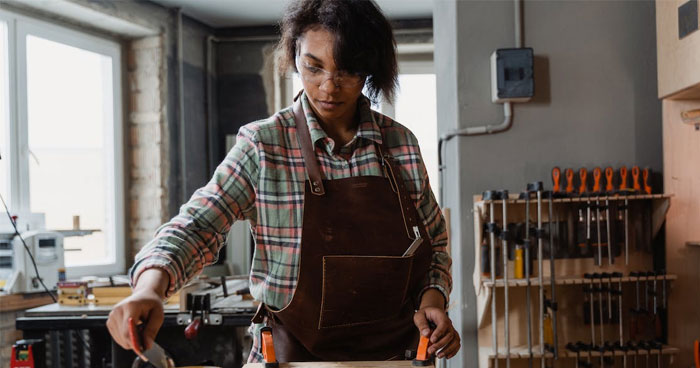
Safety glasses are worn under the welding helmet for added protection. They safeguard your eyes from debris during grinding or when inspecting your work. Look for glasses with side shields for additional protection. We stock a variety of options when it comes to protecting your eyes; see the full range here.

7. Welding Cups: Essential for Precision and Quality in TIG Welding
Welding cups are vital, particularly in TIG (Tungsten Inert Gas) welding. They are attached to the end of the TIG torch and play a crucial role in shielding the weld area from atmospheric gases, ensuring a cleaner and higher quality weld.
The size and material of the welding cup you choose can significantly affect your welding results. Larger cups are generally used for welding thicker materials, providing a larger gas shield around the weld. Conversely, smaller cups are better for getting into tight spaces and are ideal for thinner materials.
Ceramic cups are standard and are known for their durability and ability to withstand high temperatures. They are ideal for most general welding tasks.
Pyrex cups, on the other hand, offer the advantage of transparency, allowing for better visibility of the weld pool. This can be particularly helpful for beginners who are still mastering their technique.
Incorporating the right welding cup into your TIG welding setup can significantly improve the quality of your welds. For beginners, understanding the differences between cup sizes and materials is an important step in mastering the TIG welding process. Remember, a good welding cup protects your weld and enhances your overall welding experience. See our full range of Furick welding cups here.
8. Welding Clamps and Magnets: For Precision and Stability
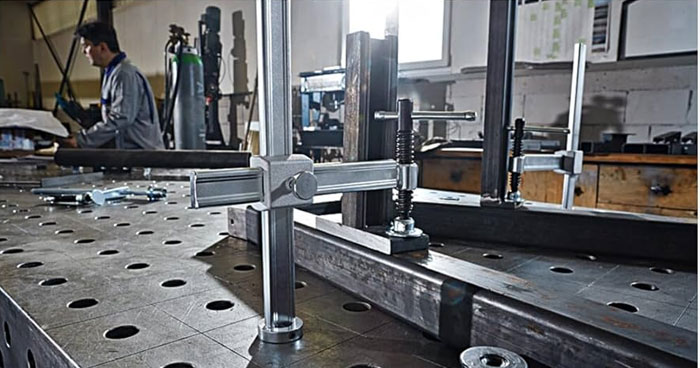
Clamps and magnets are invaluable for holding your workpiece in place, ensuring accurate welds. Various types, like C-clamps and locking pliers, can be used depending on the size and shape of the material you are working with. We have a range of metalworking clamps and welding magnets available.

9. Angle Grinder: A Versatile Tool for Preparation and Finishing
An angle grinder is not just for cutting metal but also for preparing the metal surface for welding and smoothing out welds afterwards. Invest in a reliable grinder and learn how to change the different discs for cutting, grinding, and polishing. We have a wide range of angle grinders and discs available.

10. Chipping Hammer and Wire Brush: Cleaning Up Your Welds
After welding, slag (a byproduct of the welding process) needs to be removed. A chipping hammer and wire brush are simple yet essential tools for cleaning and revealing your finished weld.

11. Metal Marking Tools: For Accurate Welds
Accurate cuts and welds start with precise markings. Soapstone, metal scribes, and marking pens are standard tools for marking metal. These tools help in achieving the precision required for a good weld. See our range of welding markers here.
As a beginner in welding, having the right tools and equipment is just the start. Practice is key to mastering welding techniques. Safety is paramount, so always use your equipment correctly and maintain it well. Happy welding, and we hope this beginner’s welding toolkit checklist sets you on a path to many successful projects!
Looking for top-quality welding supplies? Visit www.tecproducts.co.uk for a comprehensive range of beginner-friendly welding gear and accessories to kickstart your welding journey!
Comments are closed here.