
Best Welding Gloves: How to Choose the Right Pair for the Job
There’s no single pair of “best welding gloves” that fits every welder or every task perfectly. The right gloves depend on the welding process, the heat involved, and the level of control you need. MIG, TIG, and Arc welding each demand different levels of protection, dexterity, and durability, so choosing the wrong type can quickly lead to discomfort or reduced performance.
This guide focuses on practical, real-world use rather than generic product claims. We’ll break down the differences between glove materials, fit, safety features, and construction, helping you understand the trade-offs between flexibility and protection so you can pick gloves that genuinely suit how you work.
What Makes the Best Welding Gloves?
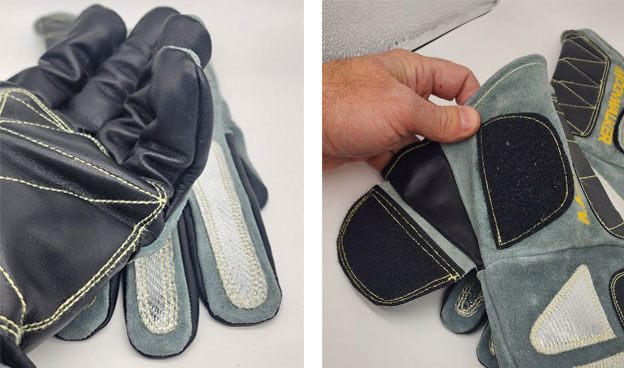
The best welding gloves offer a balance of hand protection, control, and durability tailored to your specific work. They need to shield your hands from high heat, welding sparks, molten metal, and spatter while still allowing you to grip the torch and handle filler metal safely. Too little protection increases the risk of burns and other injuries, but gloves that are too bulky can reduce control and precision.
Finding the right balance between dexterity, comfort, and build quality is crucial. TIG welding involves fine handling and requires thinner, more flexible leather for precision, while MIG and Arc welding call for thicker materials to withstand higher heat. Strong stitching with Kevlar thread, reinforced wear points, and a secure fit all contribute to durability and reduce hand fatigue. Remember, price alone doesn’t define value; the best gloves are those that suit your welding process and hold up under real working conditions.
Best Welding Gloves for Different Welding Types
Different welding processes place unique demands on your hands. Choosing gloves that match the heat level, spatter exposure, and precision required will improve both safety and performance.
Best Welding Gloves for MIG Welding
MIG welding typically produces higher heat output and more spatter, especially in fabrication and industrial applications. Gloves for MIG work should be made from durable cow split leather, which offers excellent heat protection suitable for handling hot metal and welding sparks.
Longer cuffs, such as welding gauntlets, are important to provide added wrist and lower forearm protection against sparks and molten metal splashes. For general fabrication, production welding, and heavier workshop tasks, durability and coverage usually take priority over fine dexterity.
Best Welding Gloves for TIG Welding
TIG welding involves precise, low-amp work that demands high dexterity and fine handling. TIG welding gloves are typically made from thin, supple goatskin or deerskin leather, which offers good fingertip sensitivity and flexibility for manipulating the filler metal and torch with accuracy.
These gloves often feature a cotton liner for comfort without compromising dexterity. While they provide less heat resistance than MIG gloves, they offer the secure fit and tactile control necessary for producing high-quality welds.
Best Welding Gloves for Arc (Stick/MMA) Welding
Arc (Stick/MMA) welding generates significant heat and is often performed in tougher site conditions. Heavy-duty leather gloves made from thicker cowhide with reinforced palms and Kevlar stitching are the best choice here to ensure maximum protection.
Dexterity is less of a priority compared to durability and protection. For outdoor structural work, maintenance, and site welding, robust gloves that withstand abrasion, welding sparks, and prolonged contact heat are essential.
Leather Types Explained
The type of leather used in welding gloves greatly affects heat resistance, flexibility, and durability. Understanding these differences helps you select gloves that fit your welding process perfectly.
Cowhide: This tough, durable leather offers excellent heat resistance and is ideal for MIG and Arc welding. Cow split leather is often used for its thickness and durability, providing strong protection against welding sparks, molten metal, and tears.
Goatskin: Thinner and more flexible than cowhide, goatskin gloves deliver high dexterity and fine handling. They are well suited for TIG welding, where precise control of filler metal and tools is critical.
Deerskin: Known for its softness and natural flexibility, deerskin offers great comfort and dexterity for extended welding sessions.
Split Leather vs Grain Leather: Grain leather comes from the outer layer of the hide and is stronger and more durable. Split leather, taken from the inner layer, is thicker but less flexible, often used where extra insulation or abrasion resistance is needed.
4 Key Features to Look For
Material alone doesn’t make the best welding gloves. Construction details, insulation, and fit all play a major role in safety, durability, and comfort.
1. Heat Resistance & Insulation
Choose gloves with heat resistance that matches your welding process. MIG and Arc gloves often have thicker leather combined with internal cotton liners or fleece for excellent heat protection during long weld runs or high-amperage work.
For TIG welding, lighter gloves without heavy insulation allow for better control and good fingertip sensitivity, while still offering proper protection from welding sparks and contact heat.
2. Cuff Length & Wrist Protection
Cuff length directly impacts hand protection. Short cuffs offer greater freedom of movement and are common in TIG welding, where flexibility is key, but they provide limited wrist coverage.
Gauntlet-style welding gauntlets with extended cuffs provide enhanced wrist and forearm protection from sparks and molten metal. These are especially important for MIG and Arc welding, particularly when working overhead or in high-spatter environments.
3. Stitching & Construction
Stitching quality often determines glove longevity. Kevlar thread resists heat and abrasion, preventing seams from tearing under stress.
Look for reinforced palms, thumbs, and fingers, as these are the areas that experience the most wear and tear. These reinforcements help gloves withstand harsh metal handling and repeated exposure to welding sparks.
4. Comfort & Fit
Gloves should fit snugly without restricting movement. A secure fit ensures maximum protection and control while reducing hand fatigue.
Comfort features like breathable materials, cotton liners, and pre-curved fingers improve wearability during long shifts. Gloves that trap heat or moisture can cause discomfort and reduce productivity.
Workshop vs Site Welding Gloves
Where you weld affects the type of gloves you need. Workshop environments and outdoor sites place different demands on protection, flexibility, and durability.
| Factor | Workshop Welding | Site / Outdoor Welding |
| Environment | Controlled lighting and stable temperatures | Variable weather, wind and uneven conditions |
| Priority | Dexterity and comfort | Durability and protection |
| Glove Type | Lighter, more flexible leather | Heavy-duty, thicker leather |
| Heat Exposure | Moderate, process-dependent | Often higher and less predictable |
| Cuff Style | Short or mid-length cuffs, usually sufficient | Gauntlet-style cuffs for wrist and forearm protection |
| Durability Needs | Focus on comfort over long shifts | Must withstand abrasion, knocks and harsher handling |
| Insulation / Waterproofing | Rarely required | Important in cold or damp conditions |
Workshop gloves favour high dexterity and fine handling for TIG and lighter fabrication work, while site gloves prioritise toughness, excellent heat protection, and extended coverage where exposure to welding sparks and molten metal is greater.
Common Mistakes When Buying Welding Gloves
Choosing welding gloves might seem simple, but some common mistakes can lead to discomfort, reduced protection, or premature wear.
Opting for the cheapest gloves: Low-cost gloves may look appealing but often lack the thickness, reinforced stitching, and durable materials needed to provide proper protection. This can lead to tears, burns, and the need for frequent replacement.
Using TIG gloves for heavy MIG or Arc work: TIG gloves are designed for high dexterity and fine handling, not for heavy spatter or molten metal exposure. Using them for high-heat applications risks burns and glove failure.
Ignoring cuff length: Short cuffs leave wrists vulnerable to welding sparks and molten metal. For MIG, Arc, or overhead welding, welding gauntlets with extended cuffs ensure maximum protection.
Delaying glove replacement: Worn fingertips, thinning leather, or torn seams reduce protection significantly. Continuing to use damaged gloves increases the risk of burns and other injuries.
Poor fit and comfort: Gloves that are too tight restrict finger movement and cause fatigue, while loose gloves reduce control and can snag on tools or metal. A secure fit improves safety and precision.
Avoiding these pitfalls will help you get the most from your gloves, ensuring proper protection and supporting consistent, high-quality welding work.
Choosing the Best Welding Gloves from Tec Products

Selecting the best welding gloves comes down to matching protection and flexibility to your welding style. Whether you’re focused on precision TIG, general MIG fabrication, or heavy-duty Arc welding, choosing gloves designed for your process enhances comfort, safety, and durability.
Tec Products offers a carefully curated range of quality welding gloves suitable for both workshop and site use. If you’re uncertain which gloves fit your needs, our team is ready to provide straightforward, practical advice to help you find the right pair.
Frequently Asked Questions
What are the best welding gloves for beginners?
For beginners, MIG welding gloves are a practical starting point. They provide a good balance of heat resistance, durability, and comfort, making them suitable for general fabrication and learning various techniques. As skills develop, you can explore TIG or Arc-specific gloves for specialised tasks.
Are TIG gloves safe for MIG welding?
TIG gloves can be used for light MIG work, but they aren’t ideal for heavy-duty applications. TIG gloves offer high dexterity but less protection against welding sparks and molten metal. For regular MIG welding, thicker leather gloves with longer welding gauntlets provide better protection and durability.
How tight should welding gloves fit?
Welding gloves should fit snugly without restricting finger movement. They shouldn’t feel tight across the knuckles or fingertips, nor loose enough to slip or twist. A secure fit helps ensure maximum protection and control, reducing hand fatigue during welding.
Can welding gloves be washed?
Most leather welding gloves should not be machine washed, as this can damage the leather and stitching. Light cleaning with a damp cloth is usually sufficient. If gloves become heavily worn, stiff, or torn, replacement is safer than attempting repairs.
Comments are closed here.